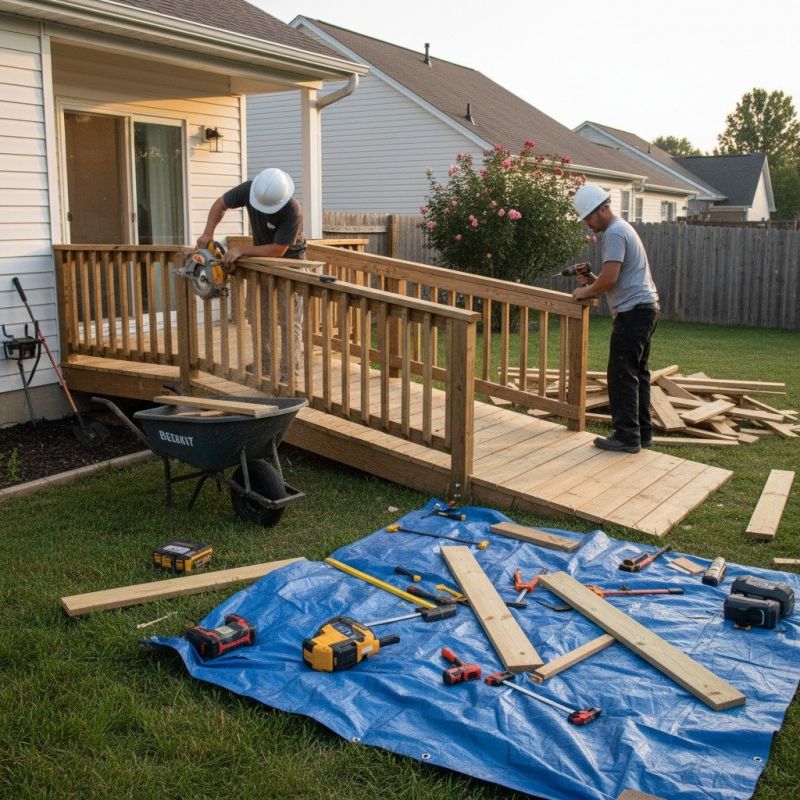
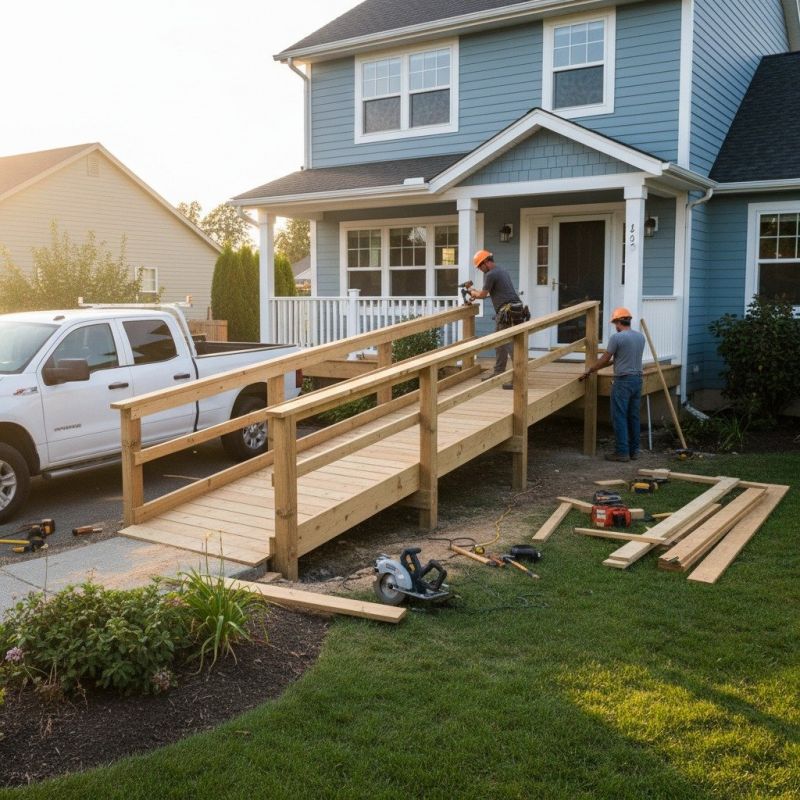
Disability Ramp Installation Services Overview
Visitors will learn about local contractors who install disability ramps and how to compare options for their needs.
- - Residential property owners seeking accessible entryways for wheelchair or walker access.
- - Commercial businesses aiming to improve building accessibility for customers and employees.
- - Property managers or landlords responsible for maintaining accessible entrances across multiple locations.
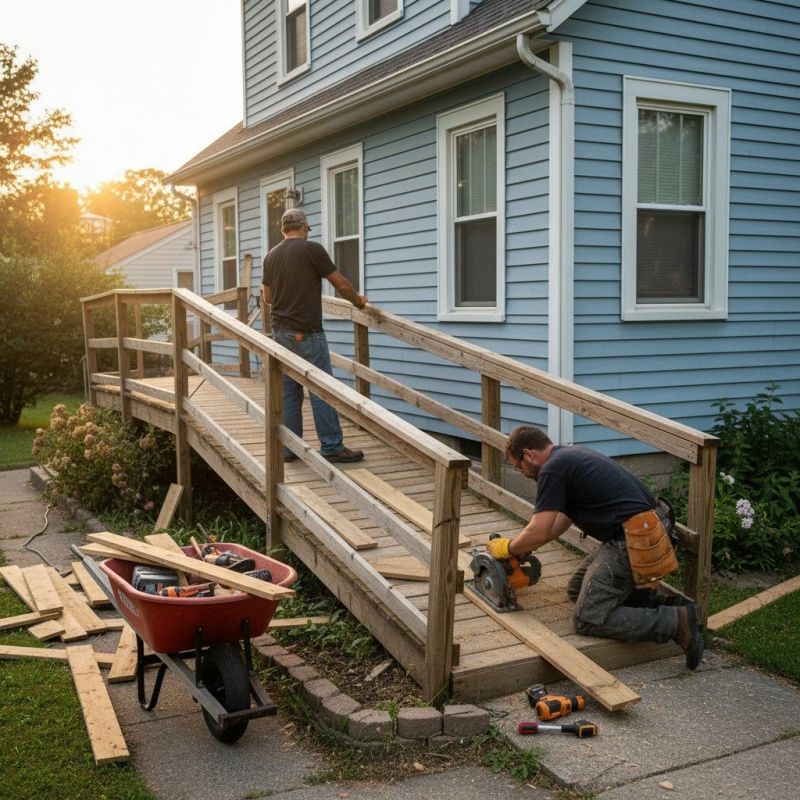
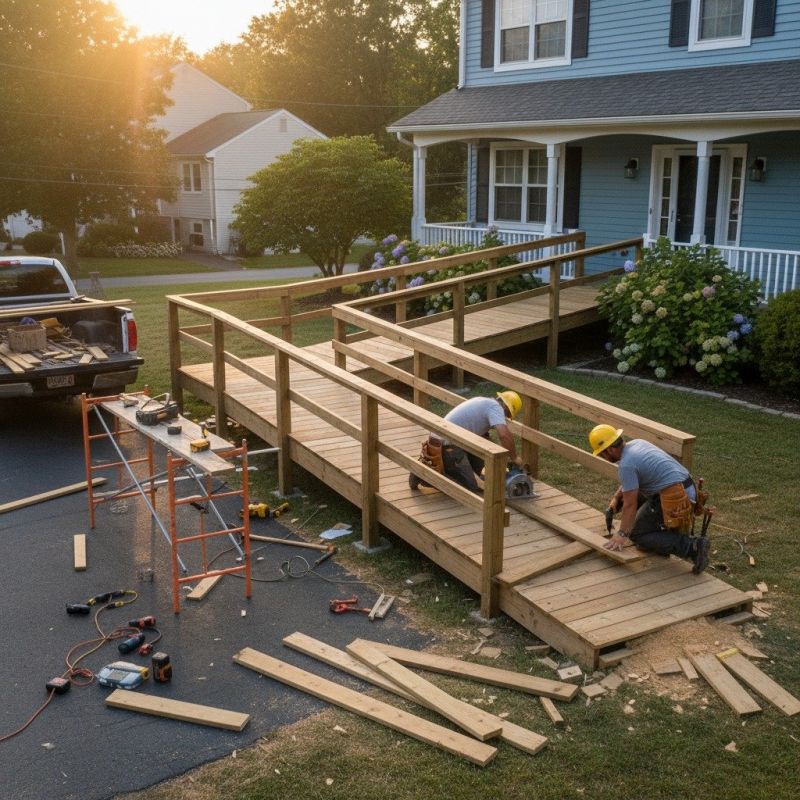
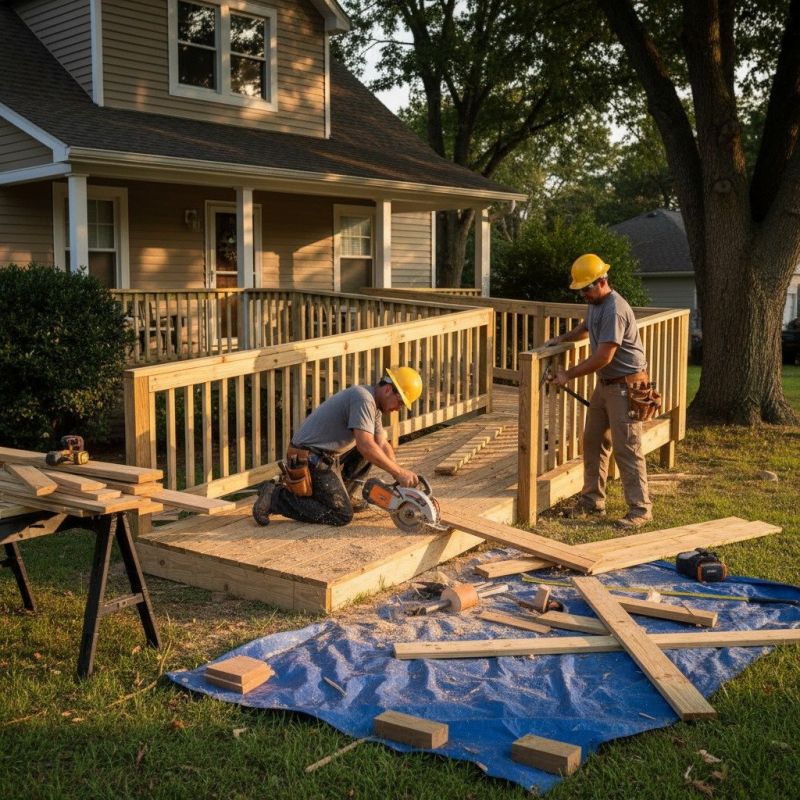
Disability ramp installation services involve the design, construction, and placement of ramps that improve accessibility for individuals with mobility challenges. Property owners often seek these services to ensure easier access to homes, businesses, or public spaces, especially when dealing with stairs, uneven surfaces, or entryway thresholds. Local contractors who specialize in accessibility modifications typically handle these projects, providing solutions tailored to the specific needs of each property. They assess the location, recommend appropriate ramp types, and ensure the work complies with relevant standards for safety and usability.
When choosing disability ramp installation professionals, property owners can expect experienced local service providers to handle various aspects of the job, from site preparation to final installation. These experts work with different materials and designs to accommodate different property layouts and user requirements. Connecting with local pros allows property owners to compare options, review service offerings, and select a provider best suited to their accessibility needs. This approach helps ensure that the installation is functional, durable, and suited to the specific environment.
This guide provides helpful information to understand the key aspects of disability ramp installation projects. It assists in comparing local contractors and understanding what to consider when planning a new ramp. By reviewing this, visitors can better prepare to share the basics of their project with service providers.